

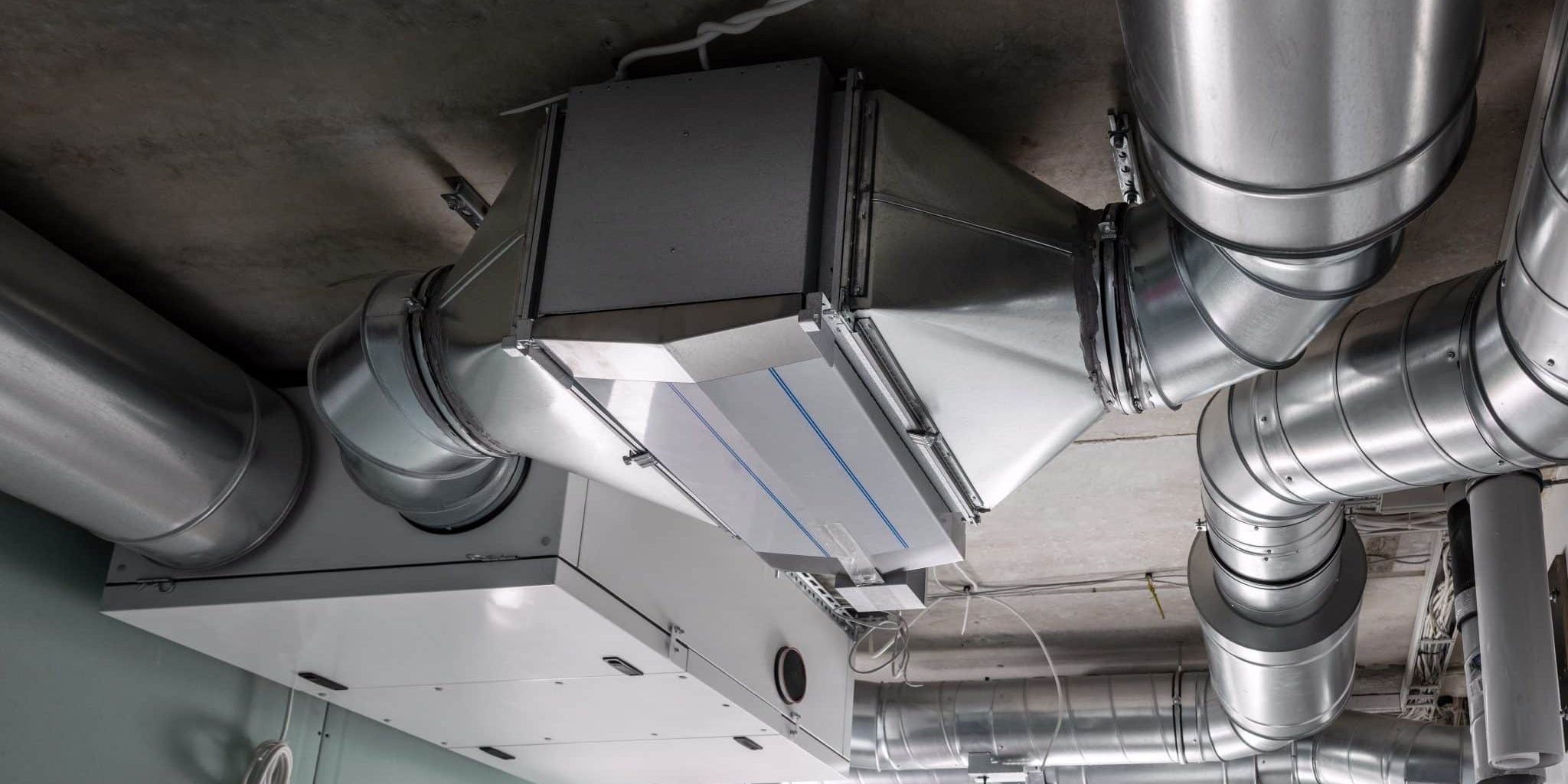
Heat Recovery Ventilators (HRVs) are growing in popularity with homeowners across the country. Whether you’ve heard about them or are just starting your research, these Energy Star-certified ventilation devices are perhaps best known for their ability to use less energy compared to standard models. However, they also offer several other benefits. From lower energy bills to better-quality air, HRVs are an excellent choice for improving home comfort, enhancing energy efficiency, and reducing environmental impact. Let’s take a closer look at the advantages of switching to one of these systems.
How HRVs Work
An HRV, or Heat Recovery Ventilator, draws fresh air from outside while removing stale, pollutant-laden air from inside your home. The clever part occurs at the core of the unit, where the two airstreams pass by each other without mixing. At this heat exchanger core, the warm outgoing air transfers the heat to incoming air, which means that you aren’t wasting the warmth your furnace worked to create. The fresh air entering your home is pre-warmed, reducing the load on your heating system.
HRVs vs ERVs: What’s the Difference?
Many Ottawa homeowners ask us, “What’s the difference between HRV and ERV systems?” and which one should they choose. HRVs and ERVs (Energy Recovery Ventilators) are similar, both exchanging indoor and outdoor air. However, ERVs transfer both heat and humidity, while HRVs transfer heat only.
In colder regions like Ottawa, HRVs are usually the better fit because they are designed to remove excess indoor moisture during winter. This helps prevent condensation on windows and reduces the risk of mould growth in areas where warm air meets cold surfaces. ERVs, on the other hand, make sense in homes with high summer humidity loads or in households that run air conditioning frequently.
Benefits of Choosing HRV for Ottawa & Carleton Place Homes
A tightly sealed home can lower your energy bills, but without proper ventilation, it will trap humidity, odours, airborne chemicals, and allergens inside. HRVs help to prevent this by providing steady, controlled air exchange. Having an HRV system is especially important during Ottawa’s cold winters, when most homeowners keep their windows closed.
Here are some of the most notable benefits of installing an HRV system for Ottawa and Carleton Place homes:
1. Improved Indoor Air Quality
Who doesn’t want to breathe a bit easier in their home? Indoor air quality is influenced by many factors, making it a bit challenging to improve precisely. That is, until HRVs. These devices are proven to reduce pollutants by effectively removing stale air. HRVs can also remove volatile organic compounds (VOCs) like perfumes from strong-smelling products, making the air in your home that much healthier.
It’s worth noting that normal air filters struggle to get rid of VOCs, largely because they can’t replace indoor air with outdoor air. HRVs, by contrast, continuously exchange stale indoor air with fresh outdoor air.
2. Increased Energy Efficiency Through Heat Recovery
Advancements in technology mean that many of our devices are now made with energy efficiency in mind. This leads to reduced utility bills and better appliance functionality. HRV systems are capable of recovering and retaining heat from expelled air and transferring it to incoming air. This is a significant benefit, as it reduces the energy needed to warm outdoor air, meaning your home can be easily kept at a comfortable temperature.
Traditional ventilation methods and systems aren’t capable of exchanging air, and thus can’t match the energy efficiency of HRVs. Although this is an upgraded system, it will not impact your energy bills in a negative way and actually works to reduce your home’s carbon footprint through intelligent design.
3. Effective Humidity Control
Humidity isn’t just uncomfortable; it can also cause problems within your home. This additional moisture is hard to get rid of, let alone mitigate in the first place. Left unresolved, it might lead to mould growth and cause structural damage. But, you guessed it, HRVs can help put a stop to that. In addition to expelling stale indoor air, the device also removes moisture quickly and easily.
Worried about the air becoming too dry? HRVs maintain a certain moisture level, giving you more control during warm weather and cool temperatures. No more static energy or sore throats, meaning your home will be a haven of comfort in all seasons.
Signs Your Home Might Need an HRV
If you frequently notice stale air, lingering odours, foggy windows, or persistent humidity problems, your home may benefit from mechanical ventilation. Headaches, allergies, or a general “heavy” feeling indoors can also signal poor air exchange. Newer airtight homes almost always require an HRV because natural air leakage is minimal.
If you’re unsure whether your home needs an HRV system, give us a call! A quick assessment from Top Hat can help confirm whether your home would benefit from one.
What to Expect During an HRV Installation
Installing an HRV is usually straightforward. Most homes already have ductwork that can integrate with a new unit, and the process is tidy and minimally disruptive. The system is typically connected to existing return-air pathways, and outdoor vents are added if needed. Top Hat’s installers take care to size the system correctly, test airflow, and ensure that controls are easy to use. Once the system is installed, you will notice improvements in indoor air quality within days.
Quick Tips for Maintaining Your HRV System
- Leave your HRV system on at all times. You should run HRV continuously, as continuous operation keeps fresh air circulating through the home and prevents moisture from accumulating on windows and walls.
- Enlist a trusted and accredited contractor to service your HRV yearly. An annual checkup ensures the heat-exchange core, fans, and dampers are working properly. A technician will also confirm airflow rates, inspect exterior vents, and clear any blockages caused by dust or seasonal debris. Ideally, this professional can service your furnace at the same time.
- Clean your unit frequently, and ensure the filter is changed every three months. Dirty filters strain the HRV and reduce heat-recovery efficiency, so make sure to replace the filter every three months. Checking the exterior intake and exhaust hoods for snow, leaves, or insects is another simple habit that prevents unnecessary wear.
Quality Home Maintenance with Top Hat
The benefits of HRVs don’t end here. They can also increase your property value, have straightforward maintenance needs, and are praised for their quiet operation. At Top Hat, we’ve seen and heard firsthand from homeowners who can’t imagine their homes without an HRV system. As an accredited contractor, our team can install and maintain these devices with ease in homes of any size. To learn more about HRVs or schedule an appointment, contact us today.