
How Often Should I Have My Ducts Cleaned?
When was the last time you had your ducts cleaned out? If it’s longer than you can remember, it’s very likely that your indoor air quality is contaminated with particles of bacteria, dust, mould, pet dander, and more. Without a professional cleaning, this can eventually impact your health and well-being. To learn how often you should have your ducts cleaned to keep your interior safe, read on.
How Your Ductwork Affects Indoor Air Quality (IAQ)
The heating and cooling system plays an important role in maintaining our comfort levels, whether it’s at home or in commercial settings. As the system heats and cools your home, it captures particles to prevent them from polluting the air that gets dispersed through the duct system. However, the filter can eventually get overwhelmed with the accumulation of pollutants, such as dust, dirt, pet dander, and pollen. Once it’s too clogged, it can generate poor indoor air quality, which can impact your comfort and health over time.
When filters are changed regularly and ducts are properly sealed, many airborne particles are removed before they circulate. When those basics are ignored, heavier debris can settle in the ducts and get stirred up during operation.
Condition-Based Duct Cleaning: When It’s Actually Needed
Rather than asking how often you really need to clean your air ducts, it’s more useful to look at specific conditions where cleaning is genuinely recommended. Duct cleaning tends to make sense in the following situations:
- After major home renovations or construction, when fine dust and debris can enter the duct system
- Visible mould growth inside the ducts or on HVAC components
- Evidence of pests or rodents, including droppings, nesting material, or odours
- Dust or debris blowing out of supply vents when the system turns on
- Lingering smoke smells from fireplaces, wildfire exposure, or a history of indoor smoking
- Moving into an older home or a property that hasn’t been regularly maintained
In these scenarios, duct cleaning can help remove accumulated debris and bring the system back to a cleaner baseline, especially when there is no clear record of previous maintenance.
Canadian Climate Factors That Affect Your Ducts
Long heating seasons in Canada mean HVAC systems run for extended periods, increasing airflow through the ducts. Winter dryness can also increase dust circulation, especially in homes with forced-air heating.
In areas like Ottawa and Carleton Place, finished basements are common, and ductwork often runs through these spaces. Poorly sealed ducts in colder climates can draw in dust from basements, crawl spaces, or wall cavities. This local context often means that duct cleaning may be required more frequently than in warmer climates.
Signs Your Ducts May Need Professional Attention
Here are some signs to keep an eye out for that will indicate when it’s time to get your ducts professionally cleaned:
Monitor the Filter
Since the filter’s job is to capture debris and particles to prevent them from floating around in the air, it’s another key area to monitor. When it becomes coated, it will limit the airflow and force the HVAC system to work twice as hard to heat or cool your interior. Take a look at it every few months, and if it’s coated, get it changed and call to have the ducts cleaned.
Dirty System Components Beyond the Filter
Thick Coating of Dust on Vents
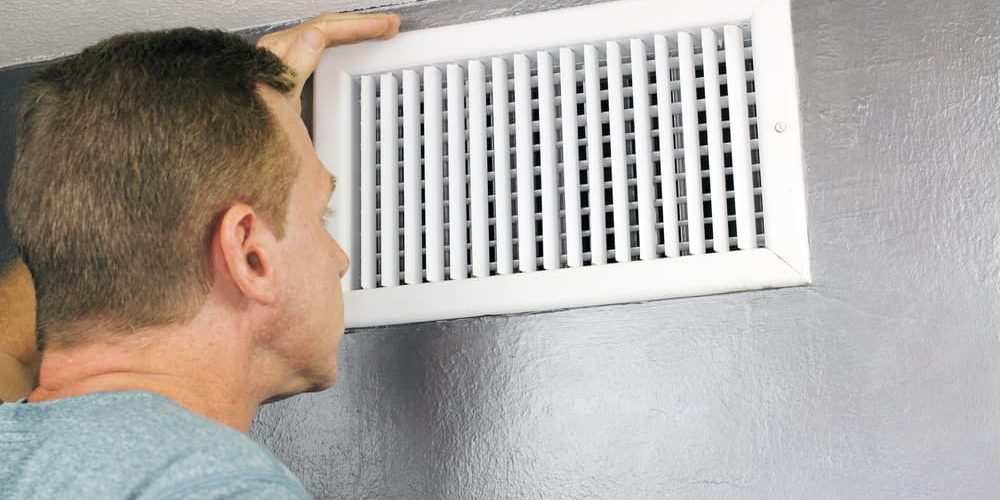
The easiest way to determine when it’s time to have the ducts deep-cleaned is to look at the vents. Over time, dust will collect and create a noticeable thick layer. The vacuum can usually remove some of it, but once the dust has accumulated, it will keep reappearing on the vent. This is a sign to call and have them cleaned.
Inspect the AC Coil
Don’t forget to monitor the dust around the A/C coil, which is located under the back panel of the unit. You can access this by simply removing the back panel. It’s best to do this at least a few times throughout the summer months.
Inspect the Blower Fan and Motor
Take a look at your furnace on a regular basis as well by opening it and inspecting the motor and blower fan for dust.
Uneven Airflow or Comfort Issues
Rooms that feel stuffy, take a long time to heat or cool, or have noticeably different temperatures can indicate airflow problems. While this isn’t always caused by dirty ducts, buildup can contribute by restricting air movement and throwing the system out of balance.
Musty or Stale Smells When the System Runs
Odours that appear when the furnace or air conditioner turns on can indicate dust, moisture, or organic material inside the duct system. Persistent smells shouldn’t be ignored, especially if they return after basic cleaning.
Allergy or Respiratory Symptoms that Worsen Indoors
If allergy symptoms or breathing irritation seem worse inside the home and improve when you’re away, the HVAC system may be part of the issue. While ducts aren’t always the source, excessive buildup can circulate irritants, making a professional assessment worthwhile.
Modern Tools & Professional Standards in Duct Cleaning
Professional duct cleaning relies on source-removal methods using HEPA-filtered vacuums, agitation tools, and, increasingly, camera inspections. These tools allow technicians to see inside the system and clean it effectively without spreading debris through the home. DIY attempts rarely achieve the same result and can sometimes make things worse.
What Duct Cleaning Can and Can’t Do
Professional duct cleaning helps remove accumulated debris from inside the ductwork and main HVAC components. It can improve airflow, reduce recirculated dust, and support better system efficiency when buildup is present.
What it doesn’t do is replace regular filter changes, proper ventilation, or humidity control. It won’t solve ongoing air quality issues caused by poor filtration or high indoor moisture. Setting realistic expectations is important, and any reputable provider should be clear about those limits.
The Role of Preventive HVAC Maintenance
Clean ducts are only one part of a healthy HVAC system. When you maintain the entire system, duct cleaning becomes an occasional service rather than a recurring need.
- Regularly replace the filter, use the correct filter type, and perform annual maintenance on the furnace and air conditioner.
- Keep supply and return vents clear of furniture and debris.
- Manage indoor humidity throughout the year.
How Often Should You Clean Your Ducts?
For most well-maintained homes, duct cleaning is needed only when conditions warrant it. That might mean every several years, or not at all, if the system stays clean. Homes with renovations, pets, smoke exposure, or older ductwork may benefit from more frequent attention.
When Duct Cleaning May Not Be Necessary
Homes with sealed ductwork, effective filtration, and no signs of dust, odours, or airflow issues may not need duct cleaning. Recognizing when it isn’t required builds trust and helps homeowners focus on what actually improves comfort.
Choose a Local, Trusted HVAC Professional
Before any duct cleaning is done, a proper assessment must be conducted. Local experience is important because Ottawa-area homes face specific climate and construction challenges that don’t always align with generic advice. A certified HVAC professional like Top Hat can evaluate your system, determine whether cleaning is necessary, and recommend additional steps to improve indoor air quality. If you have concerns, booking an inspection or speaking with a Top Hat expert is a great place to start. Give us a call now!